

Caption: Efficiency house designed to reduce environmental impact and maximize functionality with minimalist architecture.
Alt text: Exterior of a modern efficiency house surrounded by trees, showcasing sustainable architecture with large windows and energy-efficient materials.
Why Efficiency Houses Matter More Than Ever
Caption: Efficiency house emphasizes minimal energy use and smart design, reflecting the shift toward eco-conscious lifestyles.
Alt Text: Contemporary efficiency house with open-concept living space and eco-friendly features, highlighting sustainable living.
With rising energy costs and increasing environmental concerns, the concept of the efficiency house is no longer a niche trend—it’s a necessity. These homes are designed to maximize energy conservation and optimize resource use, making them an ideal choice for eco-conscious individuals and budget-minded households. Whether you’re building new or retrofitting an older property, embracing efficiency in your living space is a smart move for the planet and your wallet.
What is an Efficiency House?
Caption: Inside a compact efficiency house where every square foot is optimized.
Alt Text: Cozy interior of an efficiency house with exposed wood beams, integrated bedroom, and multifunctional living space designed for efficiency.
An efficiency house is a compact, purpose-built residence that prioritizes energy conservation, space optimization, and sustainable living. These homes are often designed with high-performance insulation, smart appliances, renewable energy sources, and layouts that reduce energy demand without sacrificing comfort.
Key Characteristics:
- Small to moderate floor plans
- Superior insulation and energy-efficient windows
- Smart HVAC systems
- Solar panel integration
- Minimal environmental footprint
Benefits of Living in an Efficiency House
Caption: Living in an Efficiency House can bring many benefits.
Alt Text: A cross-section diagram of a house shows arrows indicating air leaking into and out of various points.
1. Reduced Utility Bills With energy-efficient systems and better insulation, heating and cooling costs drop significantly. Many efficiency houses reduce utility bills by 30–70%.
2. Smaller Environmental Impact Efficiency houses consume fewer resources and often rely on renewable energy, making them ideal for individuals looking to reduce their carbon footprint.
3. Lower Maintenance Fewer rooms, simpler systems, and modern design elements lead to reduced upkeep, saving both time and money.
4. Increased Resale Value Sustainable living is on the rise. Homes designed with energy-efficiency in mind tend to have higher resale values due to growing buyer demand.
5. Improved Indoor Air Quality Proper ventilation, low-VOC materials, and mold-resistant finishes enhance the air quality inside efficiency homes, leading to better health outcomes.
Designing the Perfect Efficiency House
Caption: Designing the perfect efficiency house involves careful planning and consideration.
Alt Text: An overhead view of a table with architectural blueprints and a 3D model of a modern house with large windows, solar panels on the roof.
Designing an efficiency house means blending modern aesthetics with sustainable engineering. The planning stage is crucial.
Layout and Space Utilization Every square foot in an efficiency house should serve a clear purpose. Open floor plans and multifunctional furniture help eliminate wasted space.
Orientation and Natural Light Positioning the home to capture natural sunlight reduces reliance on artificial lighting and improves passive solar heating.
Material Selection Choose sustainable materials like bamboo flooring, recycled steel, reclaimed wood, or insulated concrete forms to enhance energy performance and reduce environmental impact.
Smart Technology Integration Include smart thermostats, lighting, and energy monitors to automate energy use and identify savings opportunities.
Energy-Saving Systems and Solutions
Caption: Energy-saving systems and solutions, such as solar panels, are integral to efficiency houses.
Alt Text: The exterior of a modern, light-colored house with numerous solar panels installed on its roof.
One of the cornerstones of an efficiency house is integrating advanced systems that work together to conserve energy.
Insulation and Windows Using closed-cell spray foam insulation and triple-pane windows can drastically reduce energy loss.
Efficient Heating and Cooling Install ductless mini-split systems, radiant heating, or geothermal heat pumps for optimal climate control.
Solar Power Systems Incorporating rooftop solar panels can provide most, if not all, of your energy needs, often with battery storage for backup.
Water Conservation Fixtures Dual-flush toilets, low-flow showerheads, and water-efficient appliances reduce water usage without compromising performance.
Cost Considerations: Is It Worth It?
Caption: Analyze the cost considerations to determine if an efficiency house is a worthwhile investment.
Alt Text: An interior view of a modern efficiency house with large windows and wooden accents, showcasing the aesthetic and functional design of such homes.
While efficiency houses may involve higher upfront investments, the long-term savings in energy bills and maintenance costs typically offset those expenses.
Initial Costs:
- Construction materials and tech can be 5–15% more than standard homes.
- Solar systems and energy-efficient HVAC come with significant price tags.
Long-Term ROI:
- Reduced utility costs
- Increased property value
- Government rebates and tax credits for sustainable features
Best Locations for Efficiency Houses
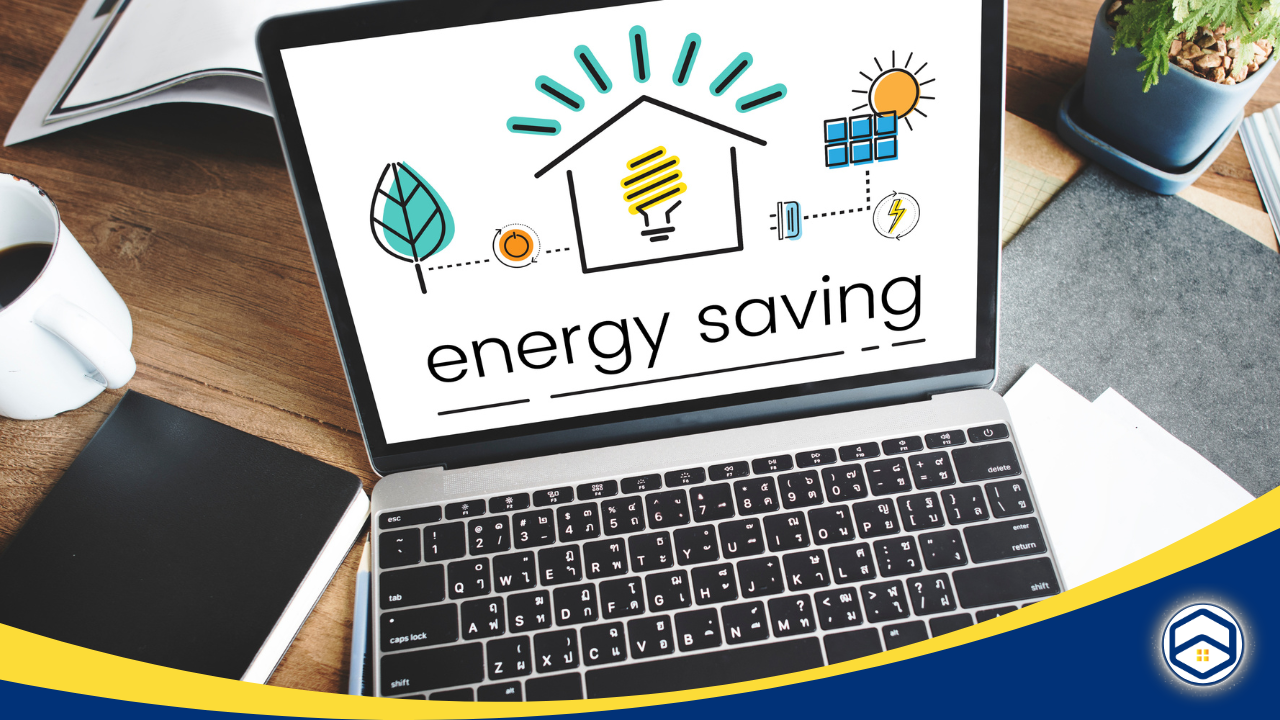
Caption: Discover the best locations for building an efficiency house.
Alt Text: A lightbulb containing a small house inside, symbolizing energy efficiency and sustainable living.
Efficiency houses work well in urban, suburban, and rural areas—but location impacts the design choices.
Urban Areas Compact lots and shared walls with neighboring units reduce heat loss and cooling needs.
Suburban Communities Suburban areas offer flexibility to add gardens, rainwater systems, and solar panels.
Rural Zones Ideal for off-grid designs, using wind turbines and solar arrays to supply all electricity needs.
Common Misconceptions About Efficiency Houses
Myth 1: Efficiency Homes Are Tiny and Uncomfortable Modern designs balance minimalism with comfort and functionality.
Myth 2: They’re Too Expensive to Build While costs can be higher initially, incentives and lower bills make them cost-effective long-term.
Myth 3: They Don’t Look Stylish Many efficiency homes showcase cutting-edge architecture and beautiful modern finishes.
Who Should Consider an Efficiency House?
Caption: Determine if an efficiency house is the right choice for your lifestyle and needs.
Alt Text: A modern house with solar panels in a green, suburban neighborhood, illustrating the blend of sustainability and modern living.
First-Time Homebuyers Low maintenance and energy savings make these homes appealing for younger buyers.
Seniors and Retirees Downsizing to a smart, efficient home can simplify lifestyle and reduce living costs.
Eco-Conscious Individuals Those prioritizing sustainability can feel good about minimizing their environmental footprint.
Investors and Developers The demand for green housing is rising, making efficiency homes a strategic investment.
Conclusion: Embrace the Future of Sustainable Living
An efficiency house is more than just a trend—it’s a forward-thinking solution for affordable, environmentally responsible living. Whether you’re building new, buying smart, or renovating with purpose, focusing on energy efficiency brings long-term rewards.
From saving money and lowering emissions to improving your quality of life, the benefits are undeniable. When paired with supportive living environments like those offered in Hexa PM communities, the efficiency house becomes the ultimate expression of smart, sustainable living.