

Moving into a new apartment is chaotic, but forgetting to transfer your electricity service can leave you in the dark- literally. Whether you are moving to a regulated state or a deregulated market (like Texas), this guide, HexaPM will show you exactly how to transfer electricity for apartments, avoid hidden fees, and ensure the lights are on when you walk through the door.
Key Insights
- Check your lease: Confirm if electricity is included or if there is a preferred provider.
- Identify your market: Are you in a regulated (one option) or deregulated (many options) area?
- Gather info: Have your new address, move-in date, Social Security Number (SSN), and ESID number (for Texas) ready.
- Schedule the switch: Contact providers at least 7 days before moving.
- Set overlap: End service at your old place 1 day after moving out; start service at the new place 1 day before moving in.
Step 1: Start with Your Lease Agreement
Before you spend hours on hold with a utility company, open your lease agreement. Your property manager or landlord has likely outlined the specific requirements for your building.
Who is Responsible?
In 90% of US apartment complexes, the tenant is responsible for setting up and paying for electricity. However, some “all-bills-paid” communities include utilities in the rent. Double-check this clause. If you accidentally set up service for a unit that already has commercial power included, you might end up paying double or facing cancellation fees.
Sub-metering vs. Direct Metering
- Direct Metering: You have a contract directly with the power company. You pay them.
- Sub-metering: The building buys power in bulk and measures your usage via a private meter. You pay the landlord or a third-party billing service.
Leverage Your Property Manager’s Tech
Finding technical details like meter numbers can be frustrating. Modern, tech-forward property management companies are now solving this pain point.
Industry Insight: In complex markets like Houston, Texas, simply knowing your address isn’t enough; you often need specific meter identifiers. Top-tier management teams- such as Hexa Property Management– often integrate these utility details directly into their resident onboarding apps or welcome portals.
If you are moving into a community that prioritizes a “tech-enabled lifestyle” like Hexa PM’s properties, check your resident app first. The specific provider info or ESID number you need is likely waiting for you there, saving you a 30-minute phone call.
Step 2: Determine Your Market Type (Regulated vs. Deregulated)
This is the most critical step that generic moving guides ignore. The US is divided into two types of energy markets. Your strategy depends entirely on which one you are moving to.
Scenario A: The Regulated Market (e.g., Florida, Most of California)
In these areas, the local utility company (the entity that owns the wires) is also the only company that can sell you electricity. You have no choice.
- The Process: Search “electric utility [City Name].”
- The Action: Call them and request a “Transfer of Service.”
- The Price: Rates are set by the state commission. You get what everyone else gets.
Scenario B: The Deregulated Market (e.g., Texas, Pennsylvania, New Jersey)
In these states, the company that owns the wires (The Utility/TDSP) is different from the company that sends you the bill (The Retail Provider). This is called “Energy Choice.”
- The Challenge: You must “shop” for a provider. If you don’t choose one, you might be placed on a variable-rate plan that can skyrocket during summer or winter storms.
- The Hub of Deregulation: Texas is the prime example. If you are moving to a city like Houston or Dallas, you must select a Retail Electric Provider (REP).
Pro Tip: New residents in deregulated zones often get overwhelmed by hundreds of plan options. A supportive property management team (shoutout to the leasing support at Hexa PM) will usually provide a list of reputable providers or a “cheat sheet” to help you avoid scams. Always ask your leasing agent: “Who do most residents here use?”
Step 3: Shopping for Rates (Deregulated Markets Only)
If you are in a regulated state, skip to Step 4. If you are in a deregulated state, follow these rules to avoid getting ripped off.
1. Fixed vs. Variable Rates
- Fixed Rate: You pay the same rate (e.g., 14¢ per kWh) for the entire contract (12-24 months). Recommendation: Choose this. It protects you from price spikes.
- Variable Rate: The rate changes monthly based on the wholesale market. It might be cheap now, but it can triple unexpectedly.
2. Know the Benchmarks (2025/2026 Data)
To know if you are getting a good deal, you need a baseline. According to the U.S. Energy Information Administration (EIA):
- US National Average: ~16.8 cents per kWh.
- Texas Average: ~14.6 cents per kWh.
- Northeast Average: ~23.0 cents per kWh.
Note: Rates fluctuate seasonally. Always check the “Electricity Facts Label” (EFL) of any plan before signing.
Step 4: Gather the Technical Details (The “ESID” Factor)
When you are ready to call or sign up online, having the right data prevents delays.
The Standard Checklist:
- Full Service Address (including Unit/Apt Number).
- Social Security Number (for the credit check).
- Date of Birth.
- Lease Start Date.
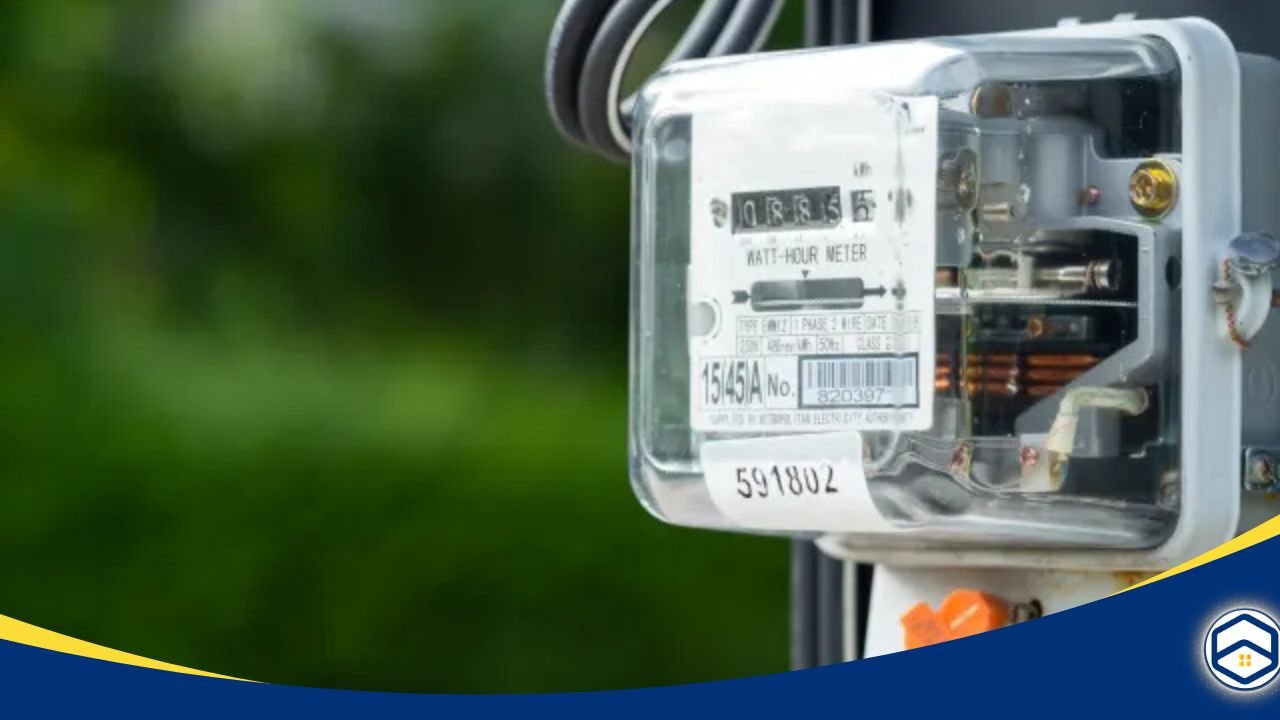
The “Texas” Factor: The ESID Number If you are transferring electricity for an apartment in Texas, the provider will ask for your ESID (Electric Service Identifier). This is a unique 17-or-22-digit number specific to your meter- not just your address.
- Why it matters: In large apartment complexes, addresses can get mixed up in the database. The ESID ensures you aren’t paying your neighbor’s bill.
- Where to find it: It is usually on the electric meter itself. However, in a large complex, accessing the meter room might be restricted. This is where a supportive management team is invaluable. Check your Hexa Property Management welcome packet or resident portal; they typically list this specific identifier to ensure a smooth, error-free setup.
Step 5: Schedule the Transfer & Understand the Fees
Timing is everything. Do not wait until moving day.
The Ideal Timeline
- 2 Weeks Before: Begin shopping for rates (if applicable).
- 7 Days Before: Finalize the contract and schedule the connection. Most providers need 3-5 business days to process a standard “Move-In” request without charging extra.
- Moving Day: Electricity should already be on.
The Cost of Being Late
If you forget and need power today, be prepared to pay.
- Standard Connection Fee: Usually $20 – $50 (Appears on your first bill).
- Priority / Same-Day Fee: Can range from $50 – $98 depending on the utility.
Security Deposits (And How to Waive Them)
Electricity providers run a “soft pull” on your credit. If your credit score is below a certain threshold (typically 600-650), they may ask for a security deposit ranging from $150 to $400.
How to avoid the deposit:
- Letter of Credit: Ask your previous utility provider for a letter showing you paid on time for the last 12 consecutive months.
- Senior Citizen / Victim of Family Violence: Most states have laws waiving deposits for these groups.
- Property Management Verification: In some cases, a letter from a reputable landlord confirming good standing can help.
Step 6: The “Overlap” Strategy
A common rookie mistake is setting the disconnection date for the exact day you move out.
Scenario: You move out on Friday at 5 PM. You set electricity to cut off on Friday. The Problem: The utility company might cut power at 8 AM on Friday. You are now moving heavy boxes in the dark and cleaning without a vacuum cleaner.
The Solution:
- Old Apartment: Set the “Stop Date” for 1 day AFTER you move out.
- New Apartment: Set the “Start Date” for 1 day BEFORE you move in.
Yes, you will pay for 1-2 days of overlap where you own electricity at two places. This costs roughly $2-$5 but buys you peace of mind and ensures the fridge is cold when you arrive.
How to Transfer Electricity for Apartments: Summary Comparison
Here is a quick summary of the key differences between transferring your existing electricity service (same provider) and setting up new service (new provider) when moving apartments.
| Feature | Transferring Service (Same Provider) | New Service Setup (New Provider) |
| Availability | Available in Regulated Markets | Mandatory in Deregulated Markets (often) |
| Credit Check | Usually Skipped (History exists) | Required (Soft Pull) |
| Deposit | Transferred to new account | New deposit may be required |
| Early Termination Fee | Waived (if moving within service area) | Charged (if breaking contract early) |
| Setup Time | Faster (1-2 days) | Standard (3-5 days) |
| Best For | Convenience | Getting the lowest price |
Frequently Asked Questions (FAQs)
Q: Can I transfer electricity if I owe money to my current provider?
A: generally, no. Most providers require you to clear any past-due balance before they will transfer service to a new address. In regulated markets, they may deny service at the new location until the debt is settled.
Q: Does switching electricity providers hurt my credit score?
A: No. Utility companies typically perform a “soft inquiry” (soft pull) to check your creditworthiness. This does not impact your FICO score. However, failing to pay your final bill at your old apartment will eventually hurt your credit if sent to collections.
Q: What is the “Right of Rescission”?
A: In the US, federal consumer protection laws usually grant a “cooling-off period.” After signing up for a new electricity plan, you typically have 3 business days to cancel the contract without any penalty. If you find a better rate after signing, act immediately.
Q: My apartment is “all bills paid.” Do I still need to call the electric company?
A: Usually, no. If your lease states “utilities included,” the account is in the landlord’s name. However, always clarify if there is a “cap” on usage (e.g., they pay the first $100, you pay the rest).
Conclusion
Knowing how to transfer electricity for apartments doesn’t have to be a nightmare. It requires checking your lease, knowing your market (especially if you are heading to a deregulated state like Texas), and acting at least a week in advance.
By leveraging the technology provided by modern landlords- like the resident portals used by Hexa Property Management– and keeping your documentation organized, you can ensure the lights are on the moment you walk through the door.