

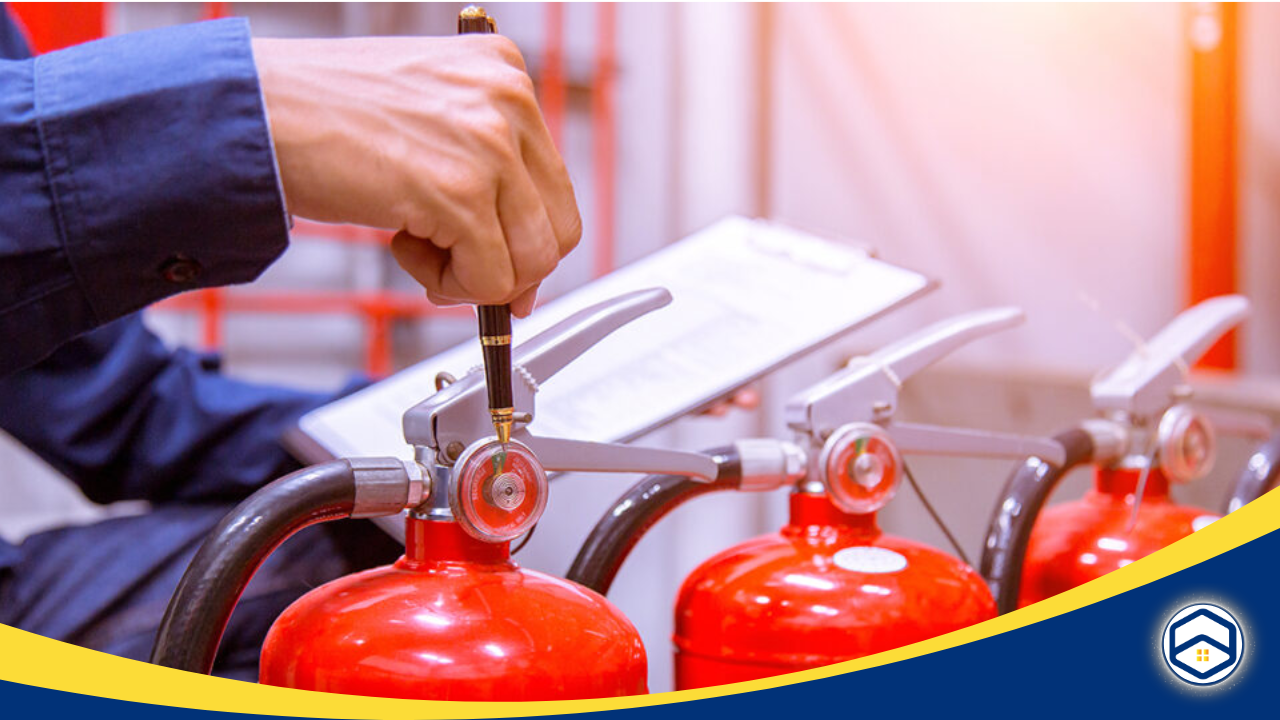
A burst pipe at 2:00 AM isn’t just an inconvenience; it is a race against the clock. When water is soaking into your carpets, waiting for the leasing office to open at 9:00 AM is simply not an option.
Knowing the exact protocol for emergency maintenance for renters is the crucial difference between a quick, controlled fix and the total destruction of your personal property.
At Hexa Property Management, we believe true peace of mind means knowing someone has your back 24/7. This survival guide breaks down what truly qualifies as a crisis, how to mitigate physical damage instantly, and how our modern approach to property management ensures you never have to face a late-night disaster alone.
Defining the Crisis: What Actually Qualifies as an Emergency?
The most misunderstood aspect of emergency maintenance for renters is the definition of the word “emergency.” Many residents panic and trigger the after-hours dispatch for issues that are certainly inconvenient, but not critical. Misusing the emergency line pulls highly trained technicians away from genuine disasters.
In the property management industry, a situation only qualifies as a true emergency if it passes the “Life, Safety, and Property” test. It must pose an immediate, severe threat to your physical health, your physical security, or the structural integrity of the building itself.
The Four Pillars of a True Emergency
- Uncontrollable Water Intrusion: A dripping bathroom faucet is a routine work order. A burst pipe, a severely overflowing toilet that will not stop, or rainwater pouring through a collapsed ceiling is a critical emergency. Uncontrollable water destroys drywall, ruins flooring, and creates hazardous electrical situations within minutes.
- HVAC Failure in Extreme Weather: If your air conditioning stops working when it is 80 degrees outside, you must wait until regular business hours. However, if your heat goes out during a freezing Texas winter storm, or your AC dies during a 105-degree summer heatwave, it becomes a life-safety issue, especially for the elderly, infants, or pets.
- Fire, Smoke, and Gas: The smell of natural gas (which mimics the scent of rotten eggs), the presence of thick smoke, or any active fire is the ultimate emergency.
- Severe Security Breaches: If your front door is kicked in, your ground-floor window is shattered, or your main deadbolt completely fails and cannot be locked, your physical security is compromised. This requires an immediate emergency response to secure the perimeter.

What is NOT an Emergency?
A broken dishwasher, a refrigerator that has stopped cooling (move your perishable food to a cooler with ice), a clogged secondary toilet (if you have another working bathroom in the unit), or a burnt-out hallway light. These are highly frustrating issues, but they do not threaten your life or the building’s foundation, and they must be submitted as routine daytime requests.
Immediate Action: The Renter’s First Response Protocol
When an emergency occurs, you cannot simply call the maintenance line and watch the water rise while you wait for the technician to arrive. You must act as the first responder to protect your personal belongings and mitigate the physical damage.
Stopping the Flood: Water Shut-Off Valves
Every renter must know how to cut the water supply to specific fixtures. If your toilet is overflowing, do not panic. Look immediately behind the base of the toilet near the floor; you will see a small metal or plastic knob attached to the wall. This is the “angle stop.” Turn this knob clockwise as tightly as possible to instantly cut the water flow to the bowl.
The exact same type of shut-off valves are located directly beneath your kitchen and bathroom sinks. If a faucet pipe bursts, dive under the cabinet and turn both the hot and cold water valves clockwise. If the flooding is coming from the ceiling or a source you cannot identify, immediately begin moving your valuable electronics, documents, and furniture away from the water’s path while you dial the emergency maintenance line.
Neutralizing Electrical Threats
Water and electricity are a lethal combination. If a major leak is actively spraying near an electrical outlet, or if you smell burning plastic coming from a wall switch, you must cut the power. Locate your apartment’s main electrical breaker box (usually a gray metal panel found in a hallway, bedroom, or utility closet). Open the panel and flip the specific breaker switch for that room to the “OFF” position. If you cannot identify the specific room, and the danger is severe, flip the massive “MAIN” breaker switch at the top to kill all power to the entire apartment until the professionals arrive.
The Gas Leak Protocol
If you smell the distinct, sulfuric odor of natural gas, your protocol is entirely different: absolute evacuation. Do not attempt to locate the leak. Do not flip any light switches, do not unplug any appliances, and do not use your cell phone inside the apartment, as a microscopic electrical spark can ignite the gas. Evacuate the building immediately, leave the front door open behind you to vent the air, and call 911 and your local gas provider (like CenterPoint Energy) only after you are safely standing a block away.
Navigating the Legal and Financial Fallout
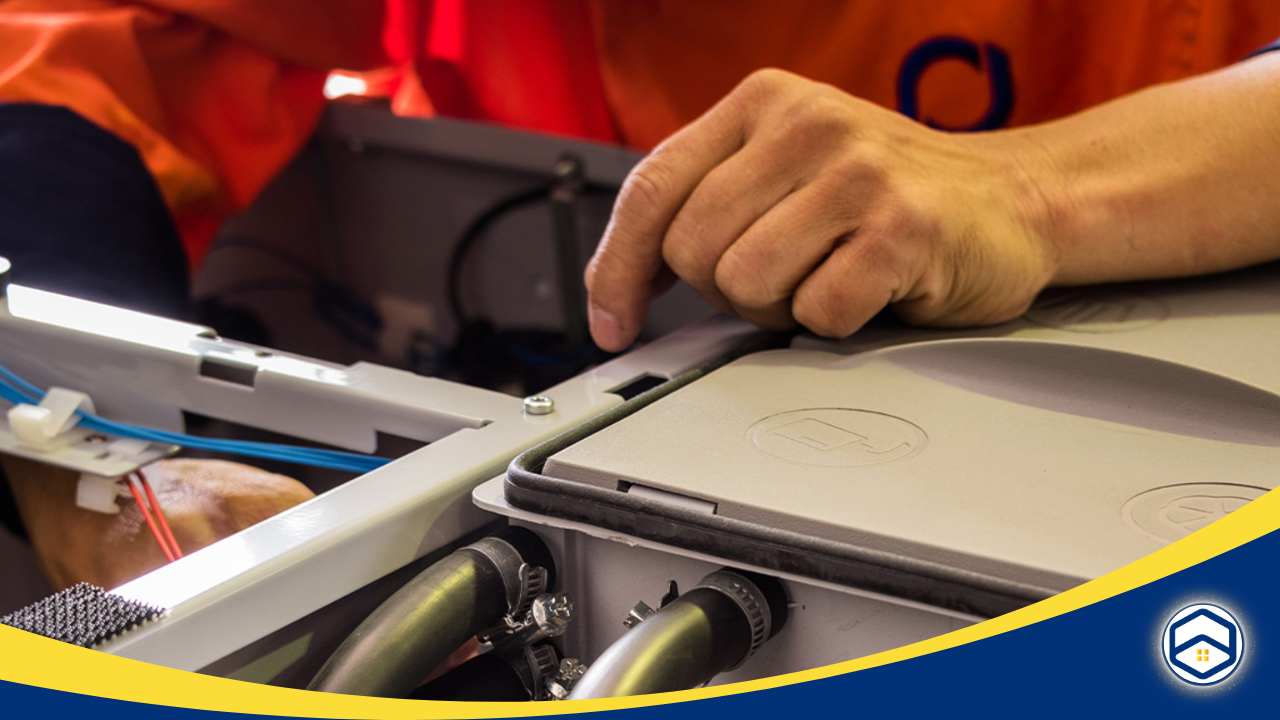
Once the immediate physical danger has been neutralized and the maintenance technician has stopped the leak, the chaotic aftermath begins. Understanding the legal and financial boundaries when dealing with emergency maintenance for renters is crucial to protecting your wallet.
The Limits of Landlord Liability
Many renters harbor a dangerous misconception: they believe that if the building’s pipe bursts and ruins their expensive laptop and vintage rug, the landlord’s insurance will cut them a check for the damages. This is entirely false.
The landlord’s property insurance only covers the physical structure of the building—the drywall, the hardwood floors, and the cabinets. The landlord is legally responsible for extracting the water, preventing mold, and restoring the apartment to a habitable condition. However, they hold zero financial liability for your personal belongings.
The Lifeline of Renter’s Insurance
This is precisely why maintaining an active Renter’s Insurance policy is non-negotiable. If a disaster strikes, your Renter’s Insurance is your only safety net. It will reimburse you for your ruined electronics, your soaked furniture, and your damaged clothing. Furthermore, if a severe fire or flood renders your apartment completely uninhabitable for several weeks while repairs are made, a good Renter’s Insurance policy includes “Loss of Use” coverage, which will actually pay for your hotel room and living expenses while you are displaced.
The Hexa Standard: Redefining Crisis Management
Dealing with an apartment crisis is traumatizing. The trauma is exponentially amplified when your property management company is unresponsive. Leaving a frantic voicemail at 3:00 AM and hoping someone checks the machine the next morning is an unacceptable standard of living.
At Hexa Property Management, we have completely dismantled the outdated, “black hole” answering service. We have set a new standard for emergency maintenance for renters through our relentless commitment to digital transparency and proactive care.
24/7 Digital Triage via the Hexa App
When you live in a Hexa community, you are never alone in a crisis. Our proprietary Hexa App features a dedicated, 24/7 Emergency Dispatch protocol.
If a pipe bursts in the middle of the night, you simply open the app and trigger the emergency alert. You bypass the traditional leasing office entirely. Our digital triage system instantly routes your specific crisis directly to the on-call, rapid-response technician nearest to your property. You will receive real-time updates, knowing exactly when the technician has received the alert and when they are en route to your door. We replace the agonizing silence of an answering machine with immediate, transparent action.
Proactive Prevention: Stopping the Crisis Before It Starts
The absolute best emergency response is the one that is never needed. While other property management companies operate reactively—waiting for the water heater to explode before they pay attention to it—Team Hexa operates proactively.
Our dedicated maintenance professionals conduct rigorous, routine inspections of all critical infrastructure. We actively check the age of water heaters, routinely clear the main plumbing lines, and proactively service the HVAC units before the extreme Texas weather hits. By aggressively maintaining the physical integrity of the building daily, we drastically reduce the statistical likelihood of a late-night disaster ever occurring in your home.
Conclusion: Preparation is Your Best Defense
You cannot control when a pipe will burst or when a winter storm will roll in, but you can absolutely control your response. By understanding the definition of a true crisis, mastering the locations of your shut-off valves, and maintaining a robust renter’s insurance policy, you seamlessly master the rules of emergency maintenance for renters.
However, your ultimate defense against disaster is choosing to live in a community managed by professionals who treat your late-night emergency with the same urgency as if it were happening in their own home.
Are you tired of unresponsive landlords who leave you in the dark during a crisis? Discover a meticulously managed community where your safety, security, and peace of mind are fiercely protected 24 hours a day. Elevate your rental experience and explore our available homes at Hexa Property Management – About Us.